Picture Windows: Cost, Pros and Cons, and When to Convert
By Sean Clifford, Owner, Glacier Home Exteriors · Published November 15, 2026
What is a picture window?
A picture window is a large window that doesn't open. No sashes, no cranks, no tracks. It's one big piece of glass in a frame, built to show off the view and let in as much light as possible.
Because nothing moves, a picture window gives you more glass, fewer frame lines and a tighter seal than an operable window of the same size. The tradeoff is simple: you can't open it for fresh air, and you can't climb out of it in an emergency.
That makes picture windows a great fit for living rooms, dining rooms, stairwells and any wall that faces something worth looking at. They're usually the wrong fit for bedrooms, which we'll get to below.
This guide covers how picture windows compare to other styles, what drives the cost, the honest pros and cons, and what to think about before you convert an existing window into one.
Picture window vs casement, slider and single hung
A picture window wins on light, view and seal. Operable windows win on airflow and emergency escape. Here's how they stack up.
| Feature | Picture | Casement | Slider | Single hung |
|---|---|---|---|---|
| Opens? | No | Yes, cranks out | Yes, slides sideways | Yes, bottom sash lifts |
| Glass area for the size | Most | High | Medium | Medium |
| Frame lines across the view | Fewest | Few | Center rail | Meeting rail |
| Air seal | Best (nothing moves) | Very good (sash presses shut) | Good | Good |
| Ventilation | None | Best | Good | Good |
| Counts as an escape opening | No | Yes, if sized right | Yes, if sized right | Yes, if sized right |
| Cost for the same size | Usually lowest | Usually highest | Middle | Middle |
| Best spots | Living room, stairwell, view walls | Kitchens, hard-to-reach spots | Wide, short openings | Bedrooms, everyday rooms |
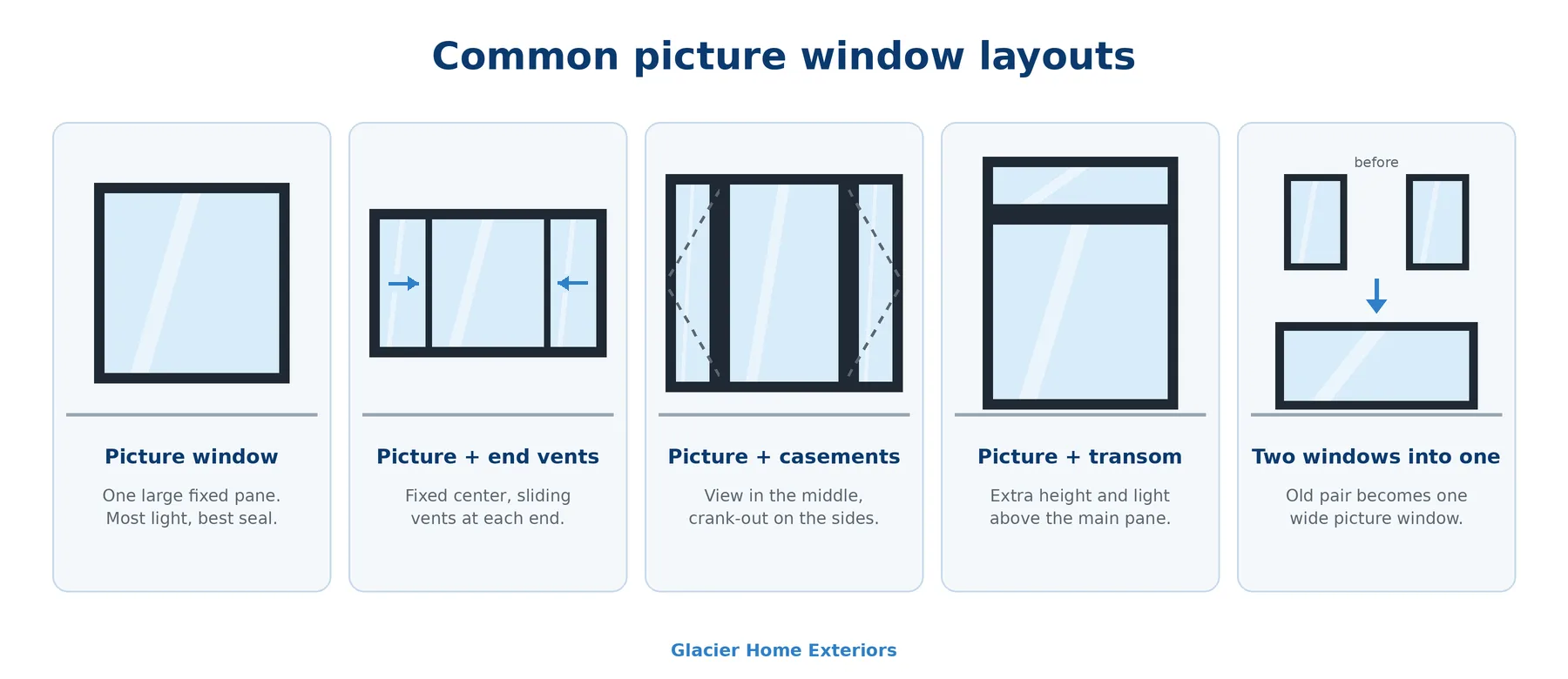
The most popular move is to combine them. A large picture window in the middle with an operable window on each side gives you the view and the breeze in one opening. The two most common versions are a picture window with sliding end vents (the small sashes at each end slide toward the center) and a picture window flanked by crank-out casements.
How much does a picture window cost?
For the same size opening, a picture window usually costs less than a window that opens. There are no locks, balances, cranks or screens to build, so more of your money goes into glass and frame.
The price of your picture window depends on a handful of things specific to your home:
- Size. Picture windows are often the biggest windows in the house. Larger glass means more material, and very large units may need tempered glass.
- Glass package. Low-E coatings, sound reduction glass and tempered or laminated safety glass all change the price.
- Frame color. White is standard. Black, bronze and other colors cost more.
- Shape. A plain rectangle costs the least. Arches, trapezoids and other custom shapes cost more.
- Combinations. A picture window flanked by casements or single hungs is two or three windows, priced together.
- The wall around it. Brick, stone, stucco and siding each need different trim and finish work. Changing the size of the opening is a bigger job than a straight swap.
Want a quick ballpark? Our window cost calculator shows a price before it asks for any contact info. For an exact number, we'll measure and quote it in person or on a virtual appointment.
Picture window pros and cons
Picture windows are the best way to add light and view to a room. Their only real weakness is that they don't open.
Pros
- More light and a bigger view. No sash or meeting rail cutting across the glass.
- Tighter seal. With no moving parts, there's nothing to wear out or leak air. That helps with comfort and with outside noise.
- Lower cost per square foot of glass. Usually the least expensive style for its size.
- Almost no maintenance. No tracks to clean, no balances to break, no screens to patch.
- Clean, modern look. Especially with a black or bronze frame.
Cons
- No fresh air. If the room needs a breeze, pair the picture window with operable windows.
- No emergency exit. A picture window can't be a bedroom's escape window.
- Cleaning the outside. On a second story, you'll need a ladder or a window cleaner.
- More sun. A big pane facing west or south lets in a lot of afternoon heat unless you choose the right glass (more on that below).
- Privacy. A big window toward the street or a neighbor may need blinds or shades.
Converting your windows into picture windows
Turning an existing window into a picture window is one of the easiest ways to open up a room. It works best in rooms where you look out more than you open up.
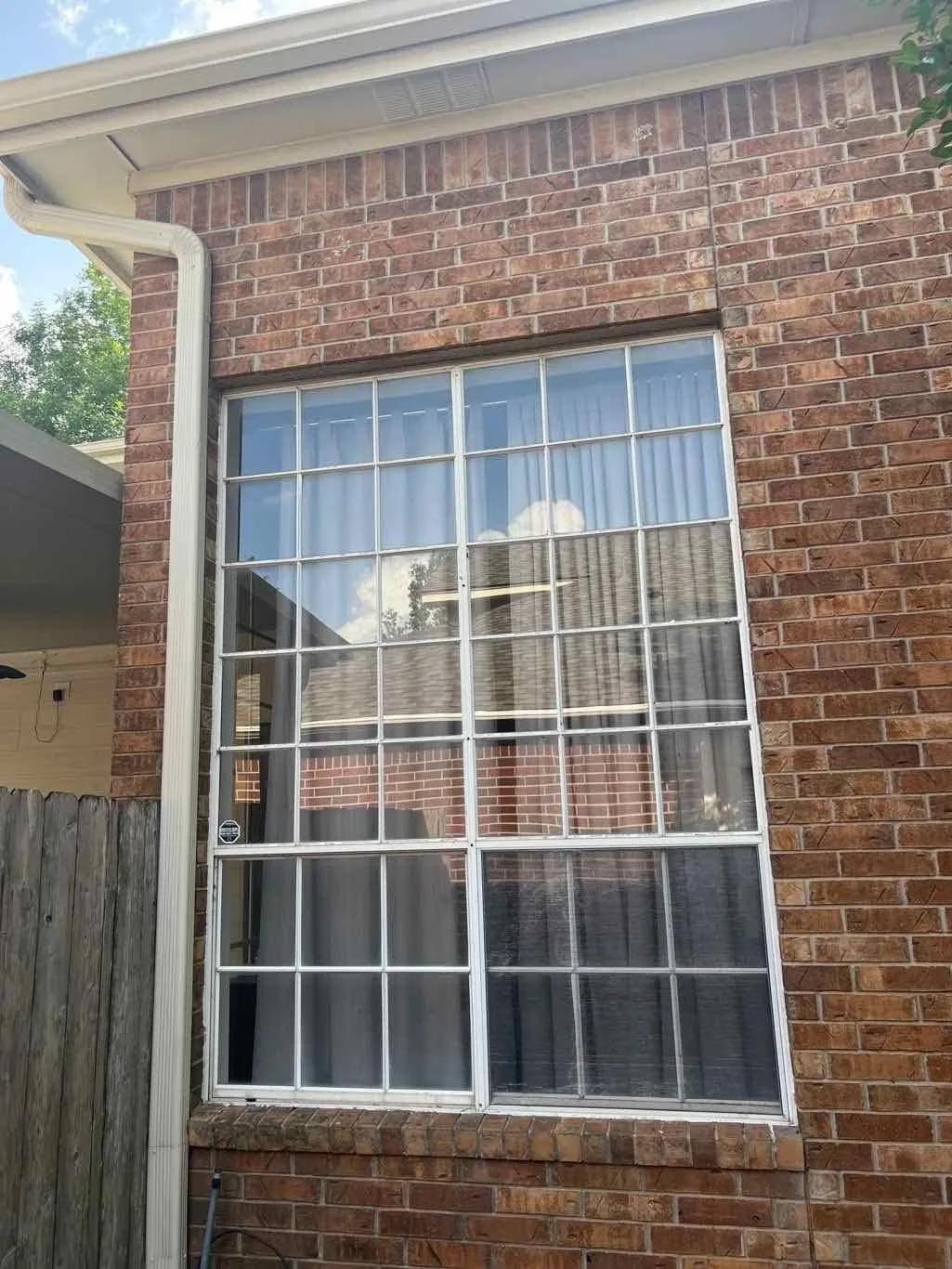
Where conversions work best
- Living and family rooms. The classic spot. Often a front window or one facing the backyard.
- Dining rooms and breakfast nooks. Great for a view while you eat.
- Stairwells and two-story entries. Tall windows that are hard to reach and almost never opened anyway.
- Above a tub or a kitchen sink. Hard-to-reach spots where cranking a window open is a stretch. Glass near a tub needs to be tempered.
- Transoms and windows above doors. Usually fixed already, and easy to upgrade.
Three ways to do it
- Straight swap. Replace an old window with a picture window the same size. This is the simplest and least expensive option.
- Combine two or more windows into one. Two side-by-side windows become one wide picture window, a picture window with sliding end vents, or a picture window flanked by casements. This usually means changing the framing between them.
- Make the opening bigger. Widen or lower the opening for more glass. This is the biggest job, because the wall above the window carries weight and needs a properly sized header. Brick and stone walls take extra work to cut and finish.
The bedroom rule you can't skip
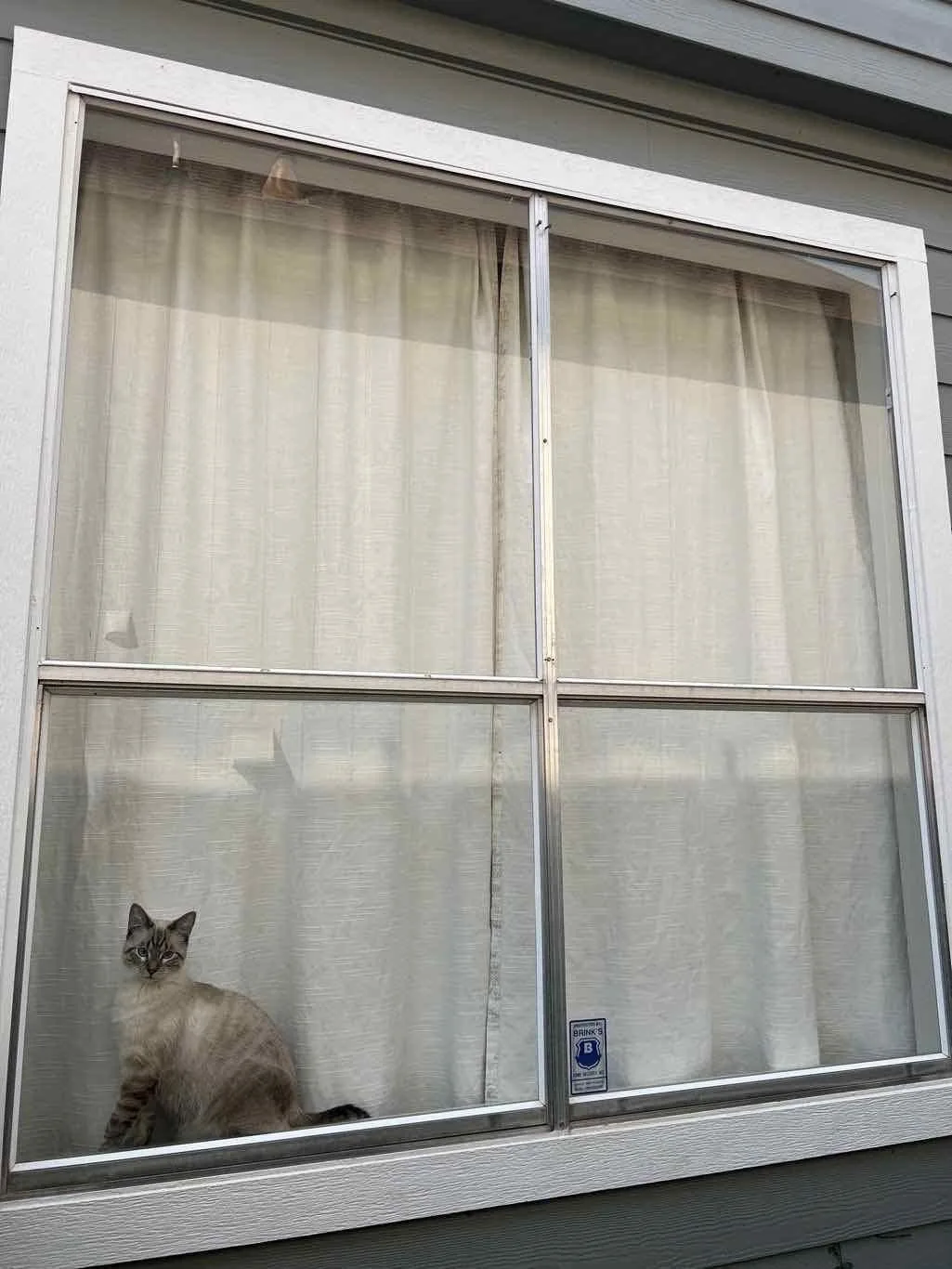
Building code requires every bedroom to have at least one window or door that opens wide enough to escape through in a fire. Under the International Residential Code, which most Texas cities use, that opening needs at least 5.7 square feet of clear space (5.0 on a ground floor), at least 24 inches tall and 20 inches wide, with the sill no more than 44 inches off the floor (IRC R310 summary).
A picture window doesn't open, so it can't count. If a bedroom has only one window, it needs to stay operable. If it has two, you may be able to make one of them a picture window as long as the other still meets the rule. A popular fix is a picture window with a casement on one side that's sized to meet code. Check with your city, because local rules vary, and your installer should confirm this before ordering.
Glass options: heat, UV and sound
A picture window is mostly glass, so the glass package matters more here than on any other window.
- Low-E coatings for heat. A big west- or south-facing pane can turn a living room into an oven by 4 p.m. Low-E coatings reflect solar heat while still letting light through. Anlin's standard Infinit-e glass blocks 95% of UV rays, SunShield blocks 98%, and SunMatrix, made for warm to hot climates, blocks 99% (Anlin glass packages).
- UV protection for floors and furniture. More glass means more sun on your hardwood, rugs and couch. The higher-UV packages above slow down fading.
- Sound reduction. If the window faces a busy street, ask about glass with panes of different thicknesses. Anlin's Sound Package uses dissimilar thickness glass to break up sound waves (Anlin Sound Package). Because a picture window has no moving parts to leak sound, it's already one of the quieter styles.
- Tempered glass where code requires it. Very large panes, glass close to the floor, and glass near doors, tubs and stairs often need safety glass. Your installer should flag this during the measure.
We install Anlin, Pella and Marvin windows, and each brand has its own Low-E, sound and safety glass options. We'll compare them side by side for the direction your window faces. Our Anlin vs Pella vs Marvin comparison covers how the three brands differ.
We have a full guide to noise reduction windows if quiet is the main goal.
Picture window FAQ
Do picture windows open?
No. A picture window is fixed glass. If you want airflow, choose a picture window with sliding end vents, or pair it with casements or single hungs on the sides.
Are picture windows cheaper than regular windows?
Usually, for the same size. They have no operating hardware, so the cost goes into glass and frame. Very large sizes, custom shapes, colored frames and specialty glass raise the price.
Can I put a picture window in a bedroom?
Yes, as long as the bedroom still has another window or door that meets the emergency escape rule. A picture window can't be the only escape opening.
Are picture windows energy efficient?
They're among the most efficient styles because nothing moves and the seal never opens. Pick a Low-E glass package suited to Texas heat, especially on west- and south-facing walls.
What's the difference between a picture window and a bay window?
A bay window is a group of windows that sticks out from the wall, often with a large fixed window in the center. A picture window sits flat in the wall.
How big can a picture window be?
It depends on the manufacturer, the frame material and the wall. Very large panes usually need tempered glass, and making an opening bigger means resizing the header above it.
How do you clean the outside of a picture window?
On the ground floor, a hose and squeegee work. On upper floors, use an extension pole or a window cleaning service. Some glass packages include an easy-clean exterior coating that sheds dirt with rain.
Thinking about a picture window?
If there's a window in your house you mostly look through and rarely open, it's probably a good candidate. We'll walk the house with you, point out which windows can become picture windows and which ones need to stay operable, and help you pick glass for the direction each one faces. No pressure, no sales pitch.
Request a free estimate for a virtual or on-site appointment, or call us at (254) 265-8898.
Written by Sean Clifford, owner of Glacier Home Exteriors, a family-owned exterior remodeling company and Anlin Authorized Dealer that also installs Pella and Marvin windows across the Waco and Austin areas.
Ready to Get Started?
Get a free, no-pressure estimate for your Central Texas home exterior project.